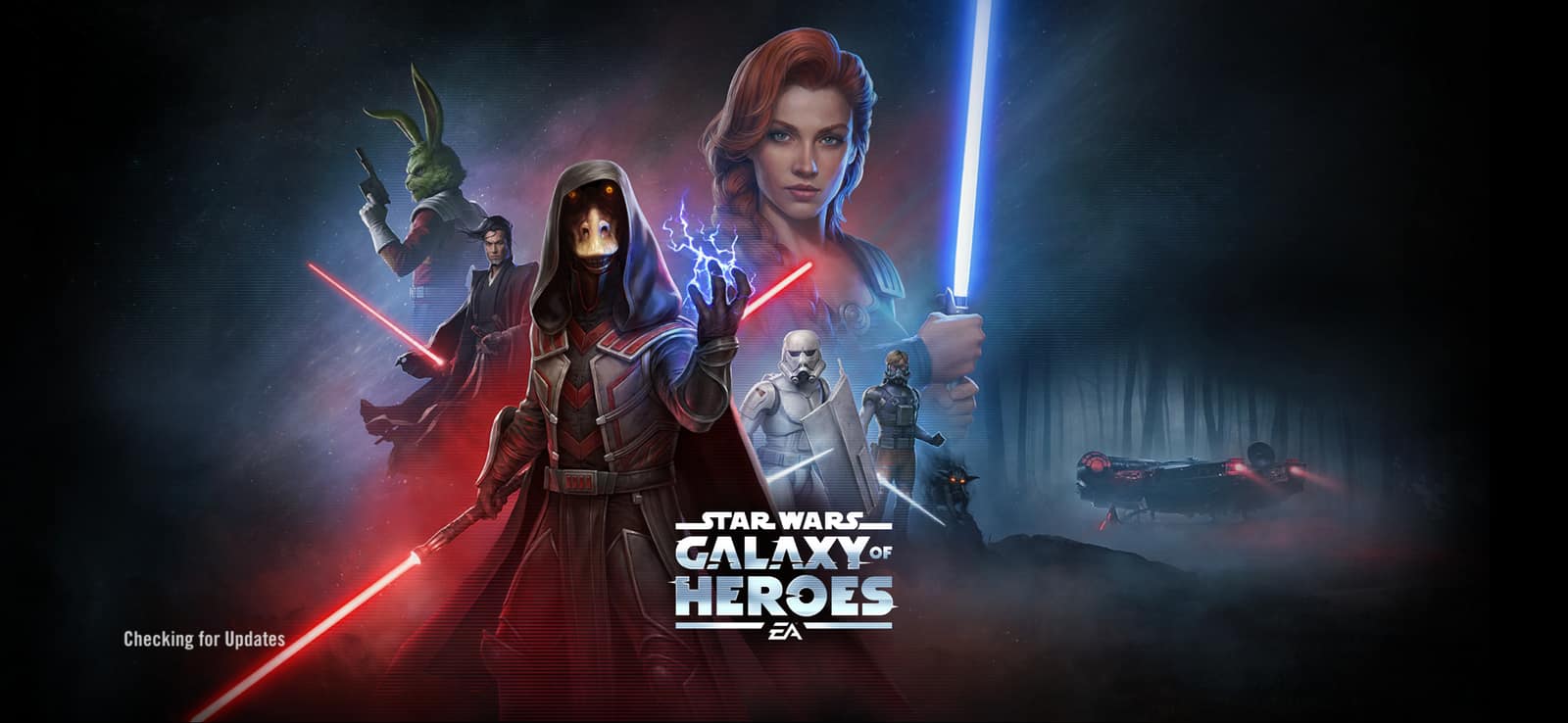
D2C Webstore
Role
Lead UX
Platform
Overview
Leading the UX/UI strategy to seamlessly transition high-value players from native app stores to a dedicated web platform, bypassing the 30% platform tax.
Star Wars: Galaxy of Heroes (SWGoH) is a mobile mid-core RPG published by EA. As the UX owner within the D2C (Direct-to-Consumer) pod, I drove the strategy and experience of the game's webstore — a browser-based purchasing channel.
The Goal: Shift the revenue split between IAP (In-App Purchases) and the webstore toward parity (50/50), moving away from platform fees toward the webstore as a first-class channel. At the start of this work, the split stood at 67% IAP / 33% webstore.
My Responsibilities
- Owned and drove the D2C pod's roadmap and execution from a UX perspective.
- Translated high-performing IAP offers into familiar webstore experiences while adapting to web UX best practices.
- Used purchase data to inform pack prioritization for better conversion.
- Maintained and owned the webstore's UI component library as a design system.
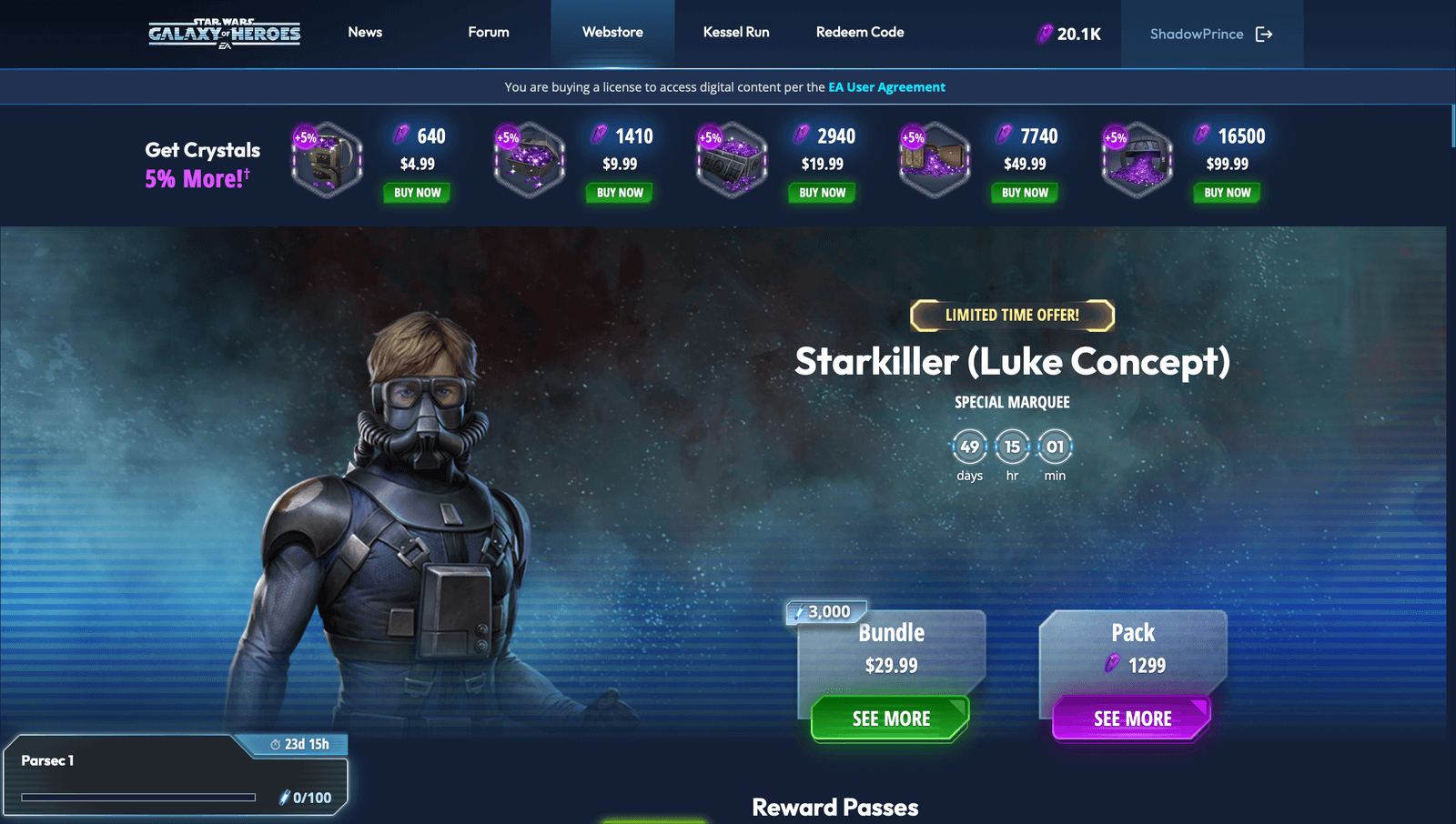
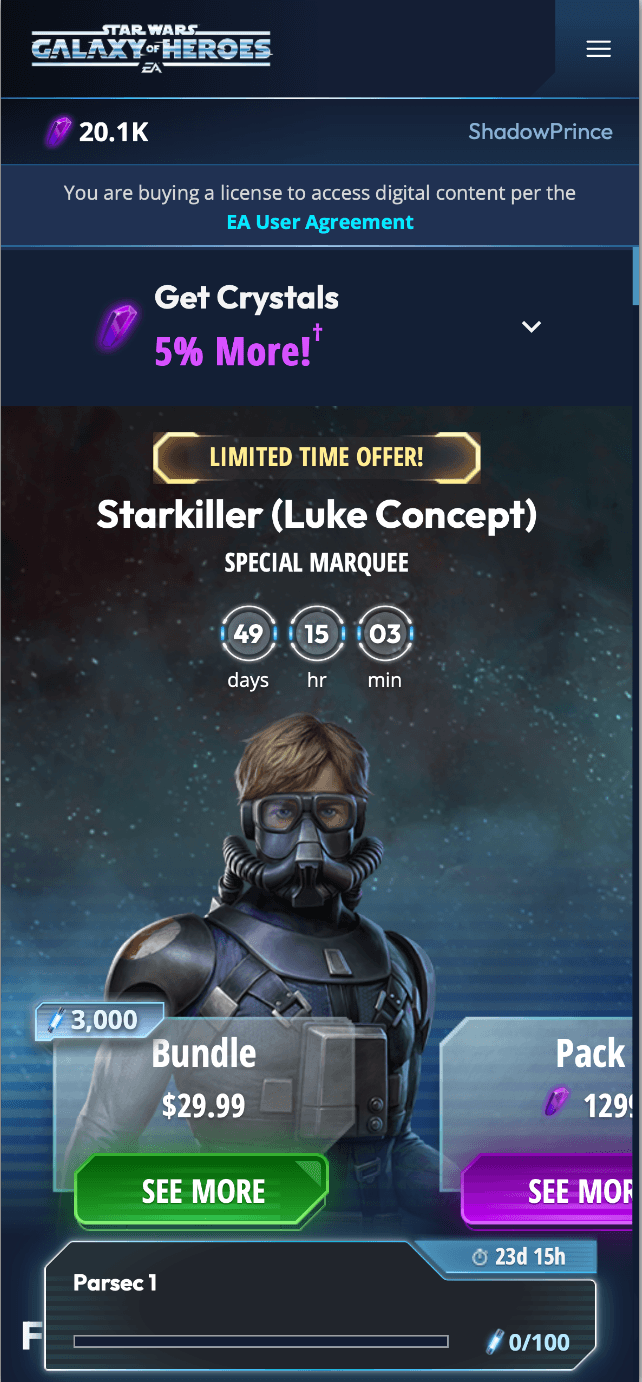
Leading the Way: Strategic Impact
By strategically aligning our webstore UX with proven IAP mechanics, we significantly shifted user purchasing behavior. Moving from a baseline of 33% webstore revenue to 41% resulted in substantial reductions in platform fee overhead.
33% → 41%
Webstore Revenue Share Shift
100%
Design System Ownership
Research & Context
To build a webstore that successfully captured players used to frictionless in-app experiences, we conducted extensive competitor analysis across the mobile gaming landscape.
We looked closely at industry leaders like Supercell (Clash of Clans), Marvel Strike Force, and Pokemon Go to understand how they handled direct-to-consumer pipelines, cross-platform login flows, and exclusive web-tier rewards. This research directly informed our strategy of offering "web-exclusive" bonuses (like free tiers) to incentivize the channel shift.
Key Features Shipped
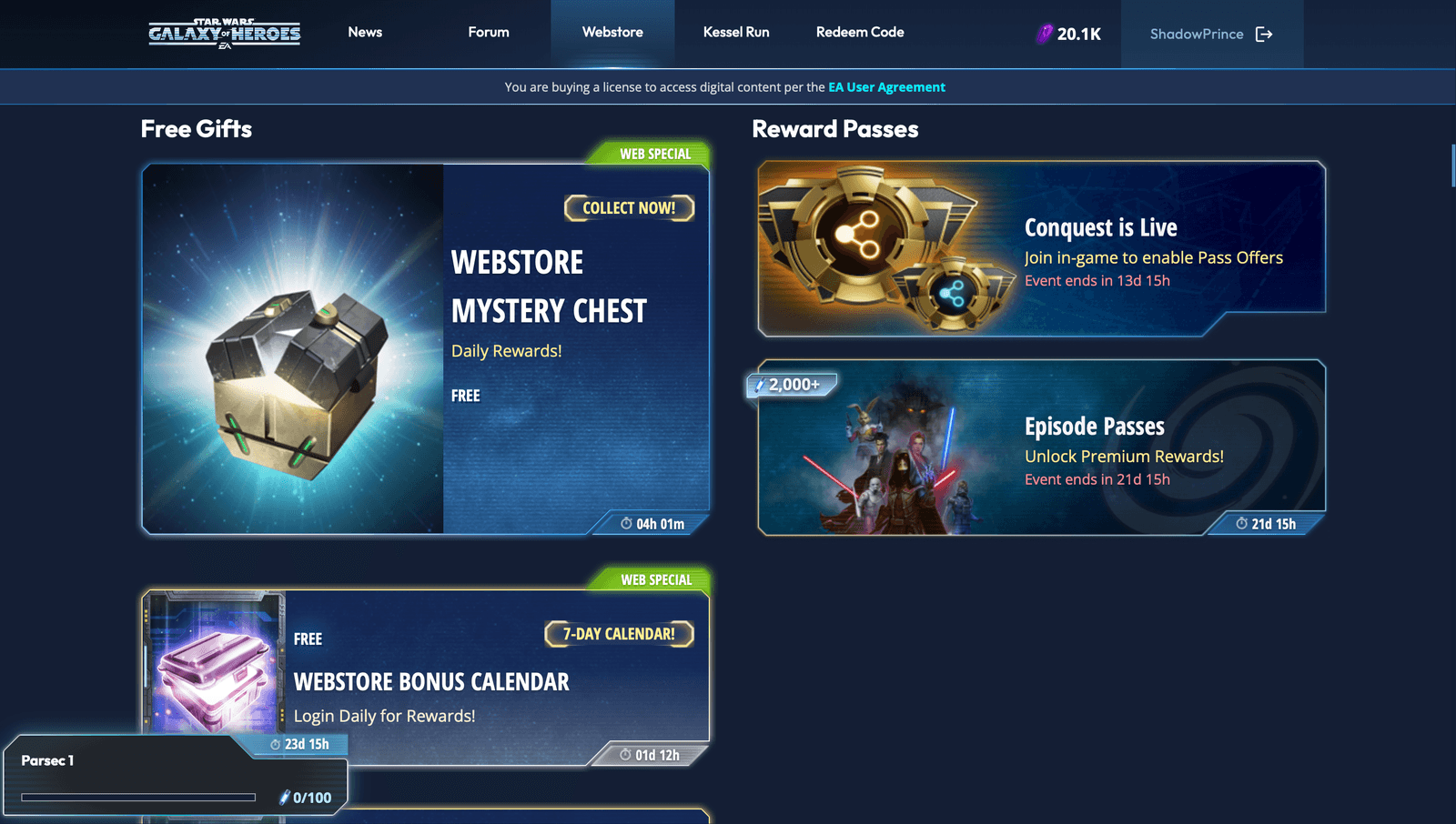
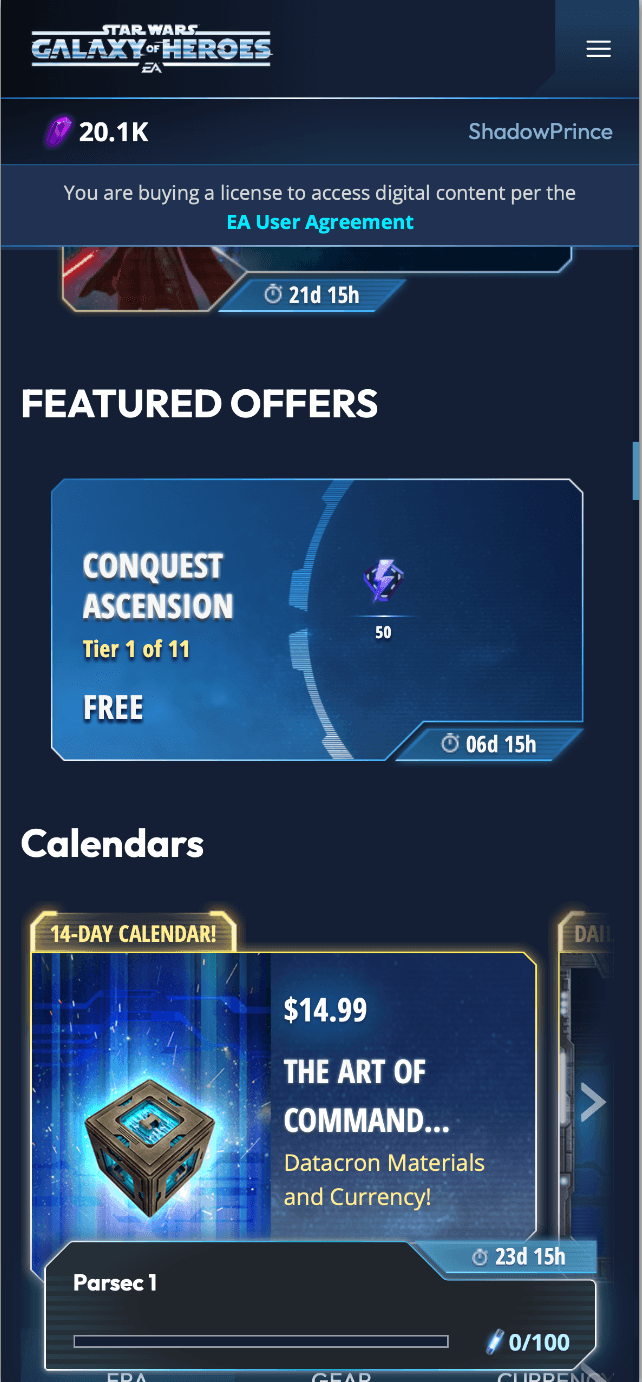
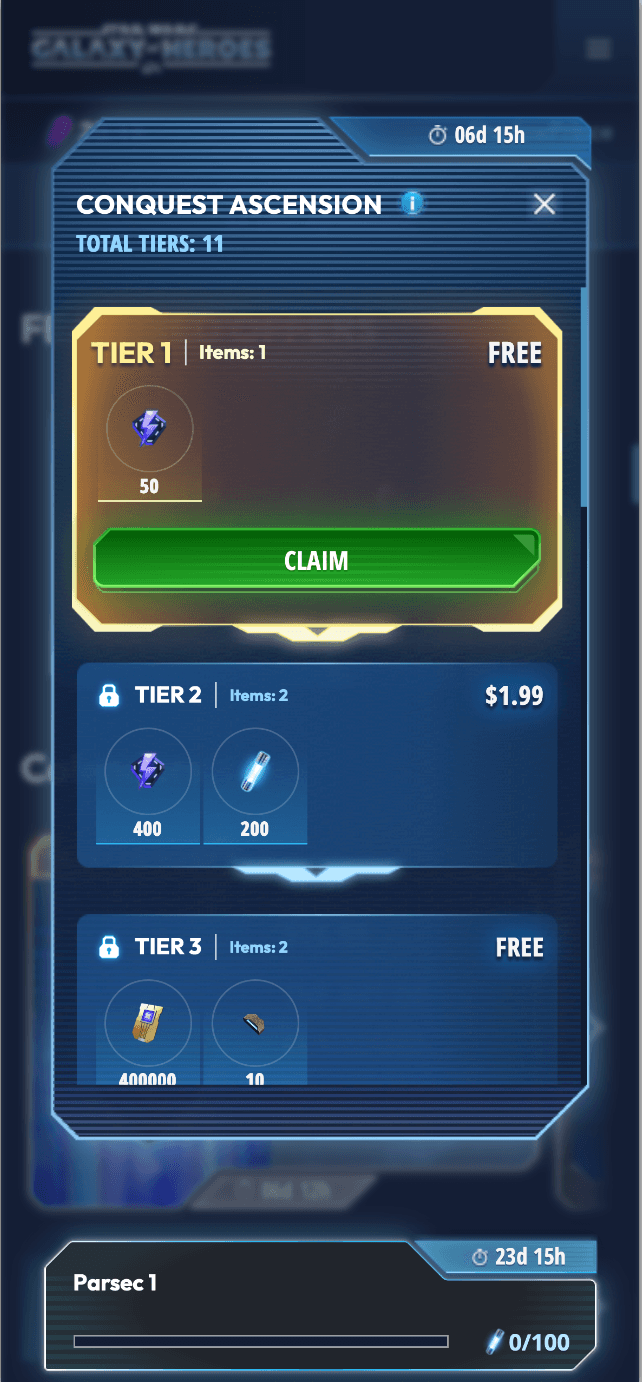
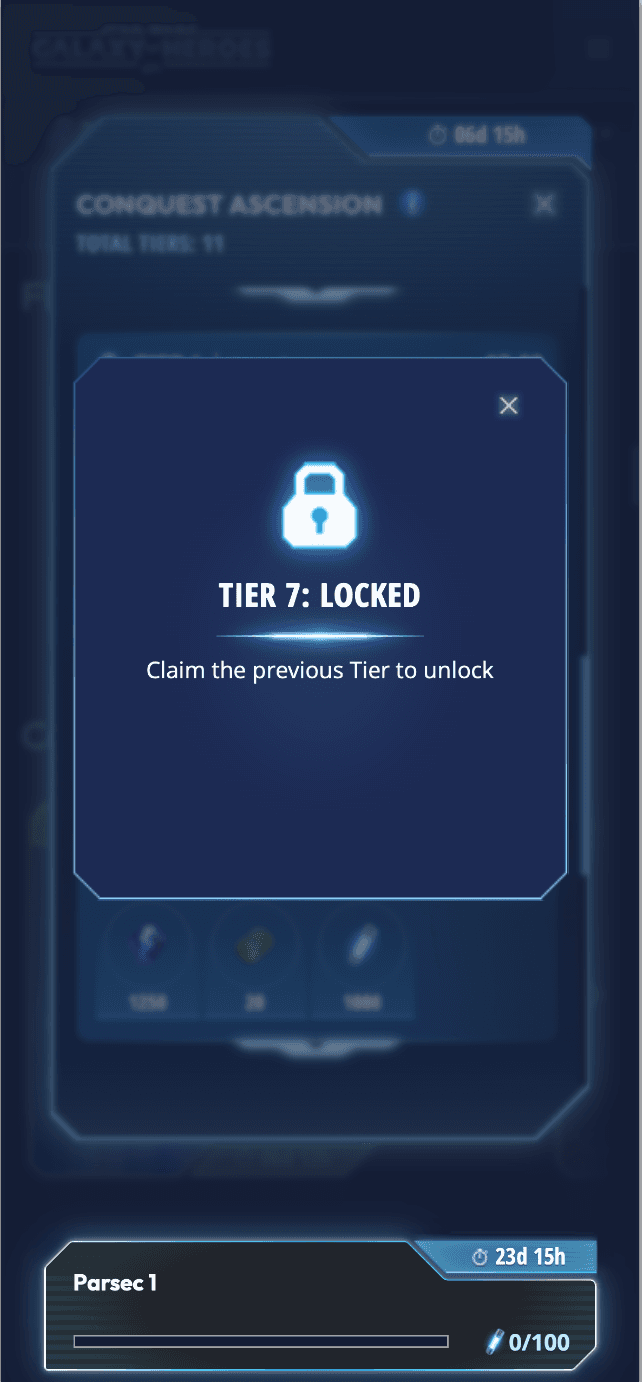
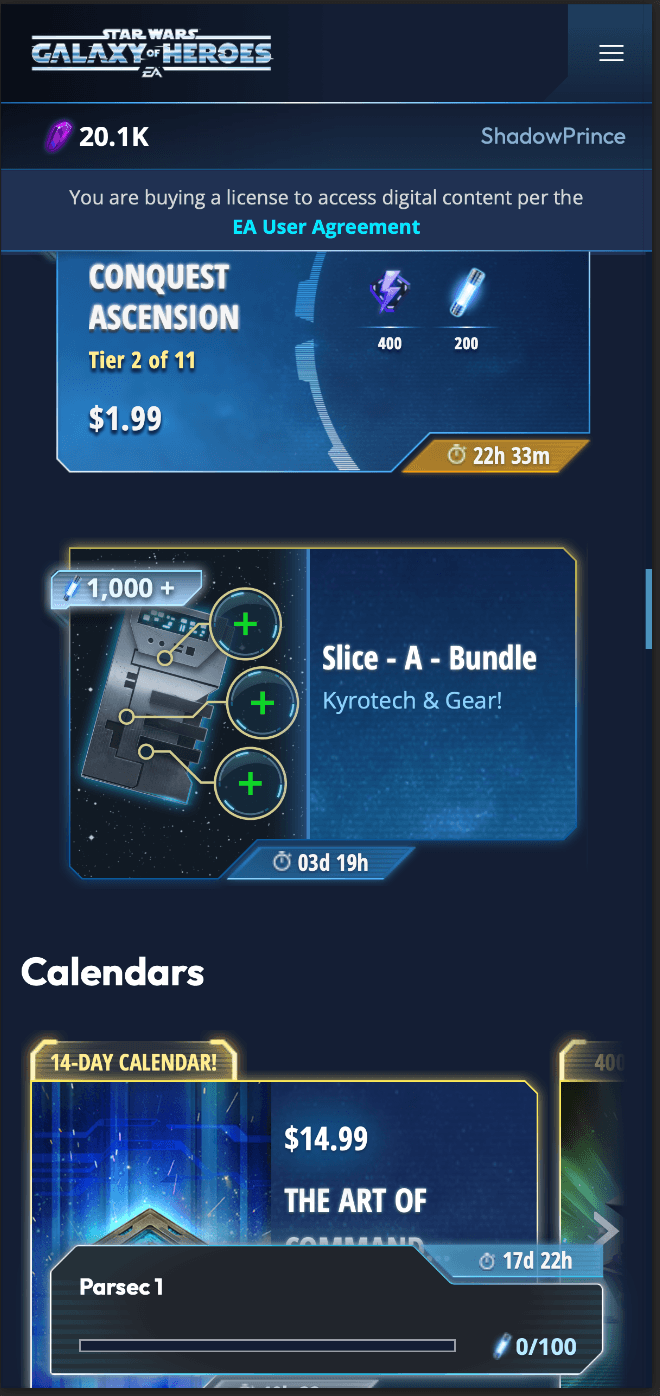
1. Ascension Packs
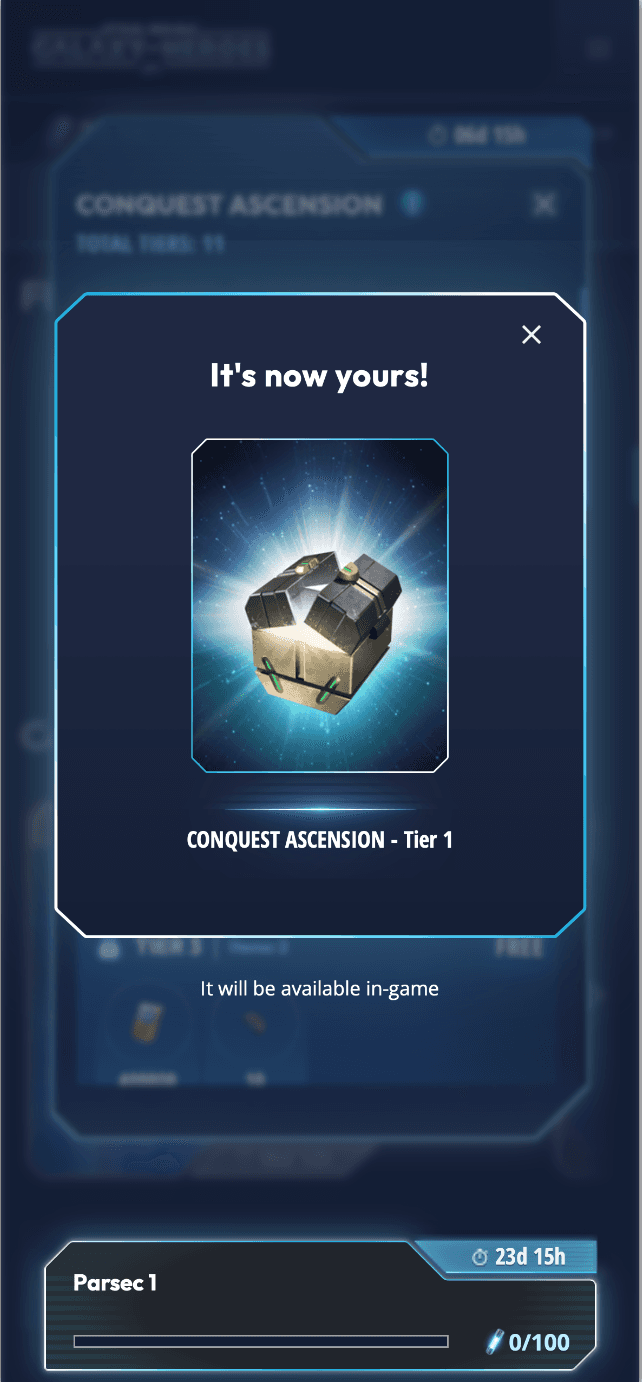
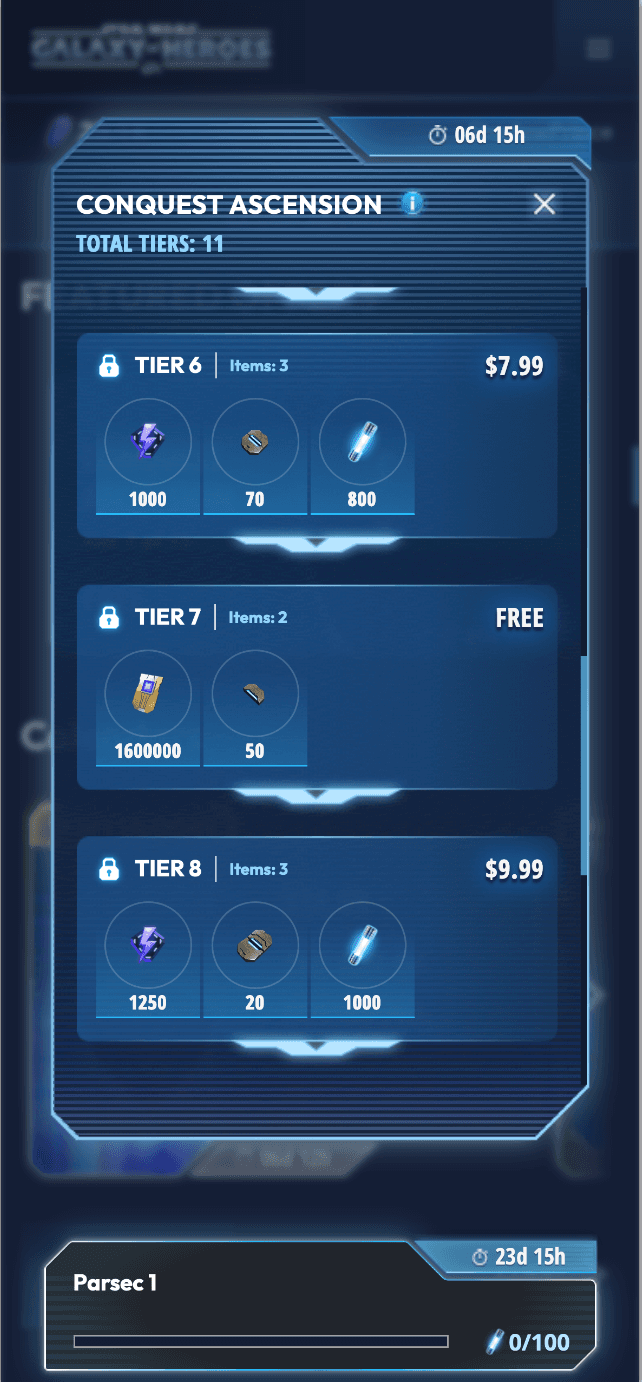
- Originally an IAP-only offer built on a ladder/tiered progression model: each pack contains multiple tiers, and later tiers unlock only after earlier ones are purchased or claimed.
- Some tiers are free, some are paid — the free tiers create momentum and incentivize users to purchase paid tiers in order to unlock and claim what comes next.
- My responsibility was to bring this entire tiered mechanic into the webstore in a way that preserved the incentive structure and felt native to the browser experience.
Desktop Flow
Mobile Flow

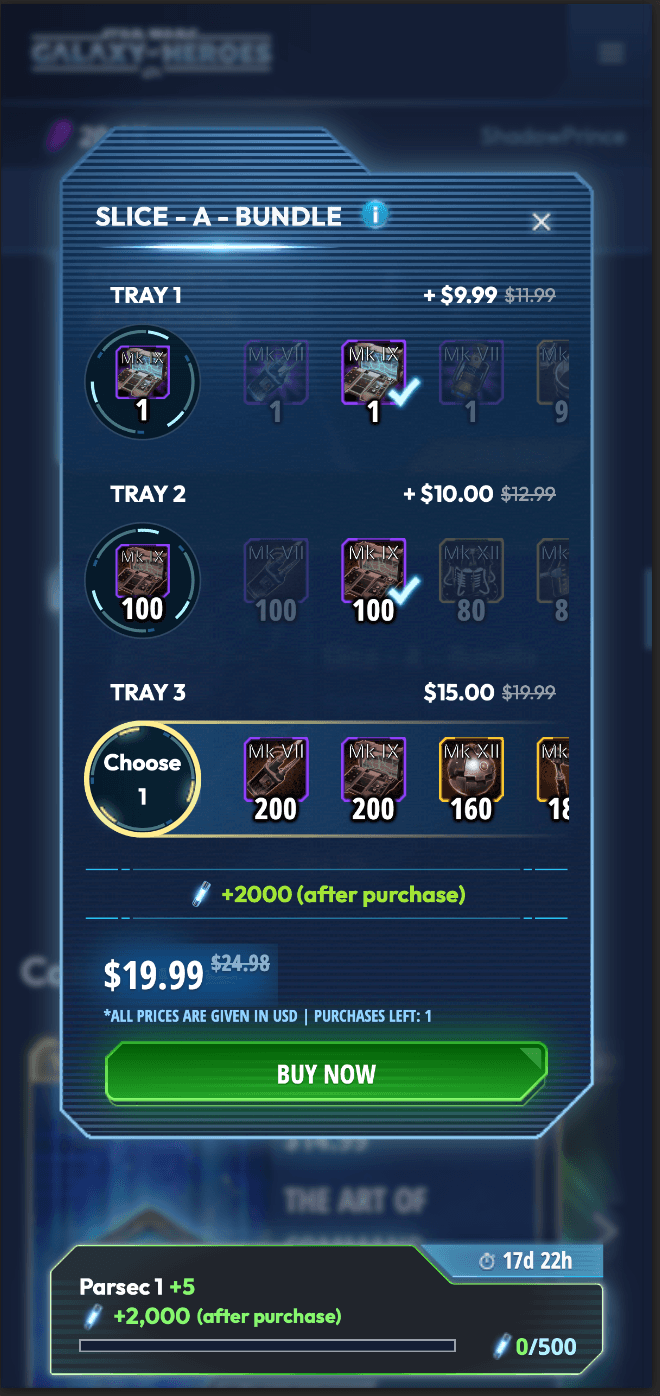
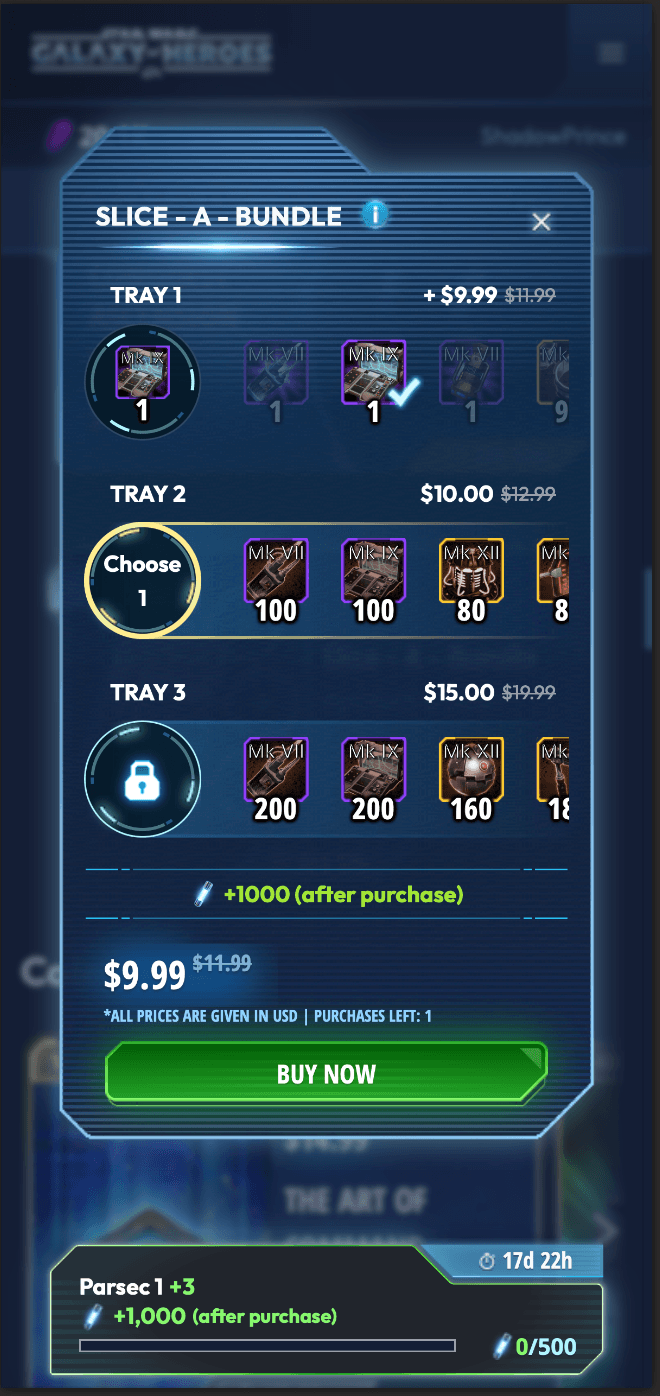
2. Slice-A-Bundle
- Also originally an IAP-exclusive offer, ported to the webstore.
- Required rethinking the offer's interaction model for a browser/web context while keeping it recognizable to players already familiar with the IAP version.
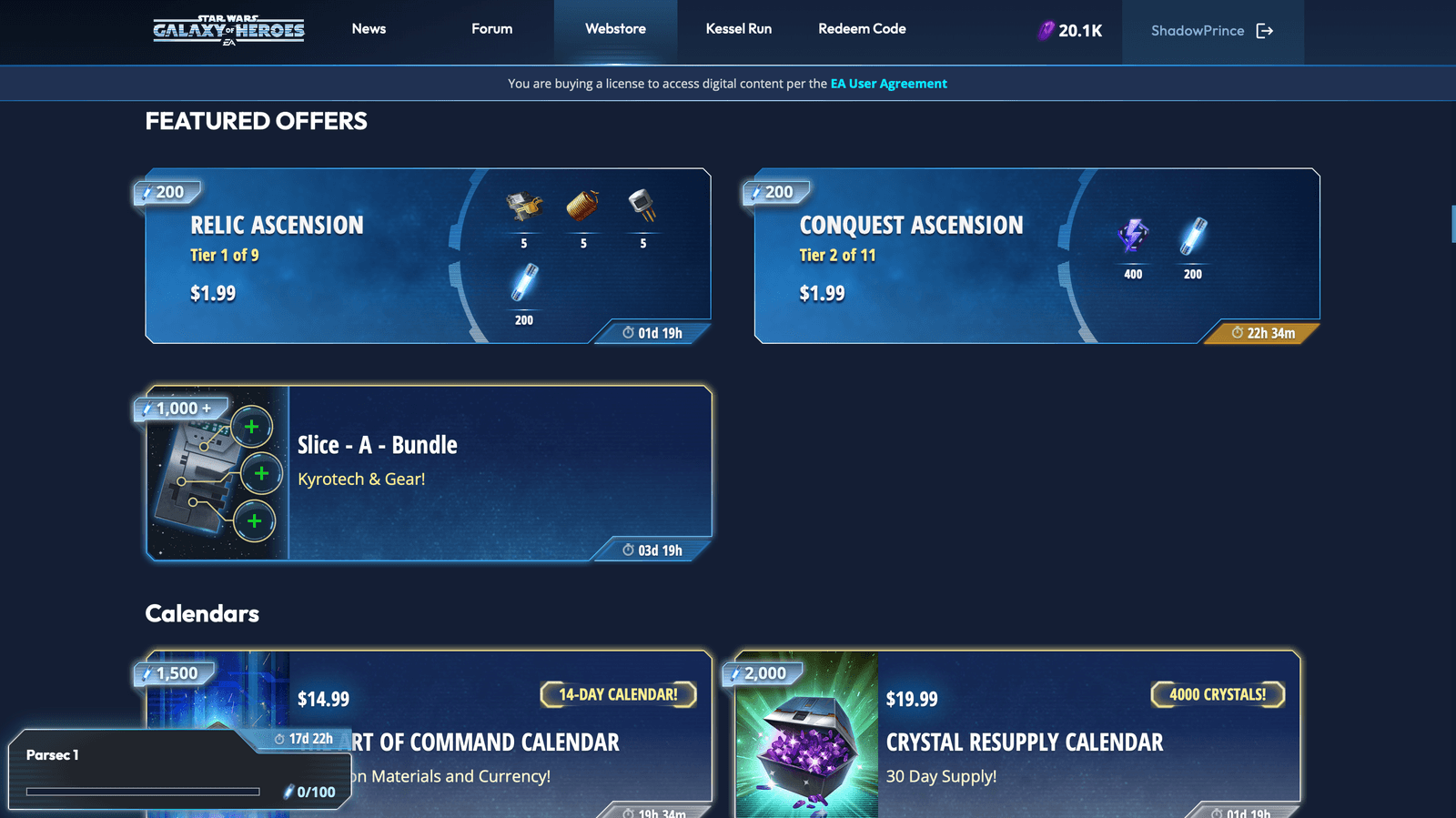
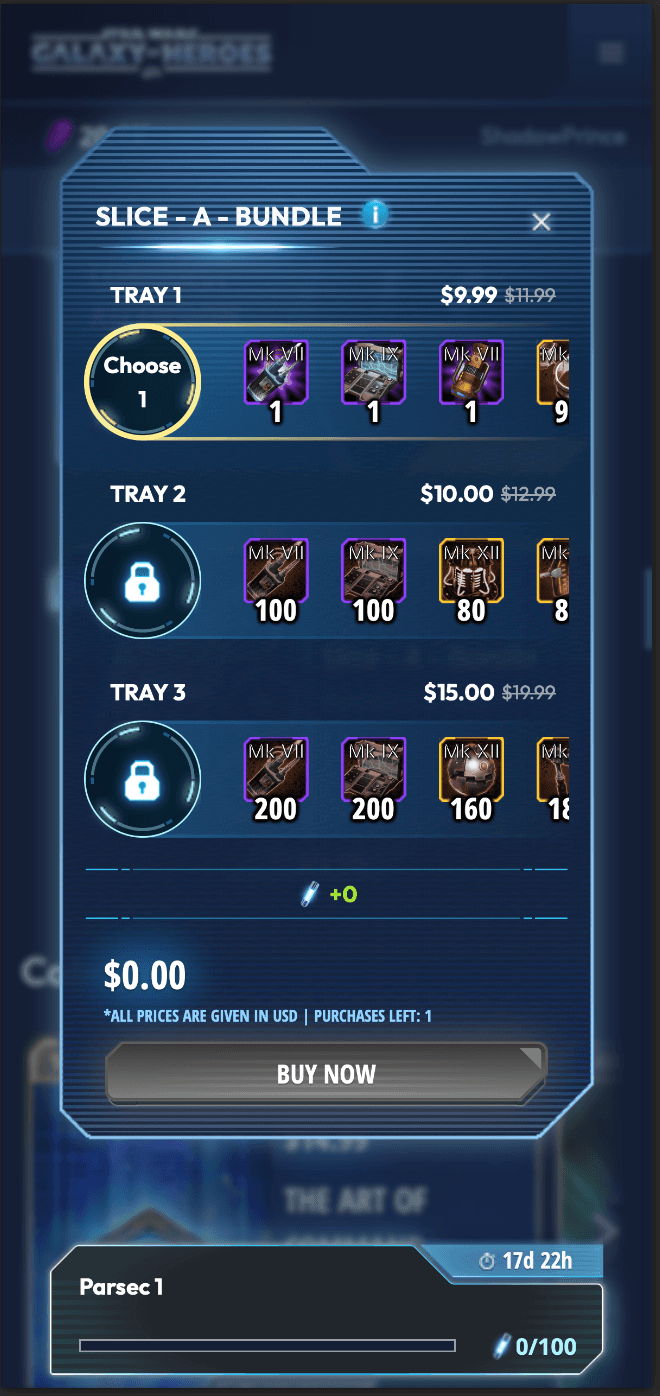
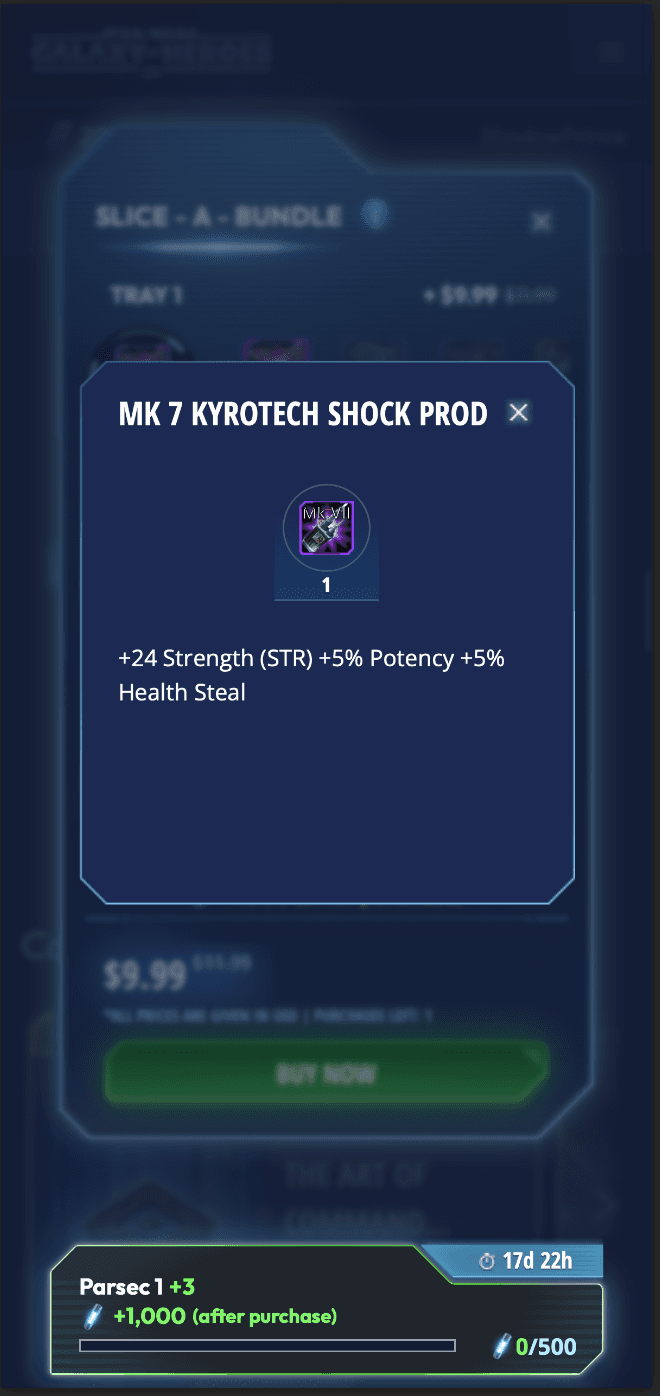
- How it works: A "build-your-own-pack" offer. Users pick and choose individual items from a set of grouped categories, and the price updates dynamically based on what's selected.
- Users can select as few as one item, or choose up to three items across three separate categories.
- The price recalculates in real time as items are added, so the final cost always reflects the exact combination chosen.
Desktop Flow
Mobile Flow
Other Responsibilities
Beyond specific feature delivery, I was responsible for the holistic improvement of the webstore UX. This involved continuous optimization of the purchase funnel, reducing cognitive load on checkout pages, and identifying friction points through user behavior data.
I also maintained the Webstore UI Component Library. Acting as a design system, this ensured visual and interactive consistency across all offerings. By standardizing components, we accelerated engineering velocity and maintained a high-quality bar as new features were rapidly deployed.
Design Challenges
Orientation Mismatch
The core game is played in landscape, but the webstore is a mobile-first portrait experience. Reconciling the two so purchasing felt natural was a central UX challenge.
Constrained Real Estate
Designing within limited vertical space while preserving the depth of the original IAP experience, especially for multi-tier systems like Ascension Packs.
Component Limitations
The existing component library imposed constraints. Delivering seamless UX meant working creatively within limitations rather than designing from a blank slate.
Overall Results
The shipped features, built in close collaboration with Product Management and Engineering, successfully moved our North Star metric.
41%
Webstore Revenue Share (Up from 33%)
Disclaimer: All Visual assets, logos, and characters are the intellectual property of Electronic Arts / Capital Games and Lucasfilm Ltd. Work displayed represents my personal contributions as an Experience Designer II during my employment. All images, screenshots, and video captures featured in this case study are sourced exclusively from the publicly released, live version of the game.